


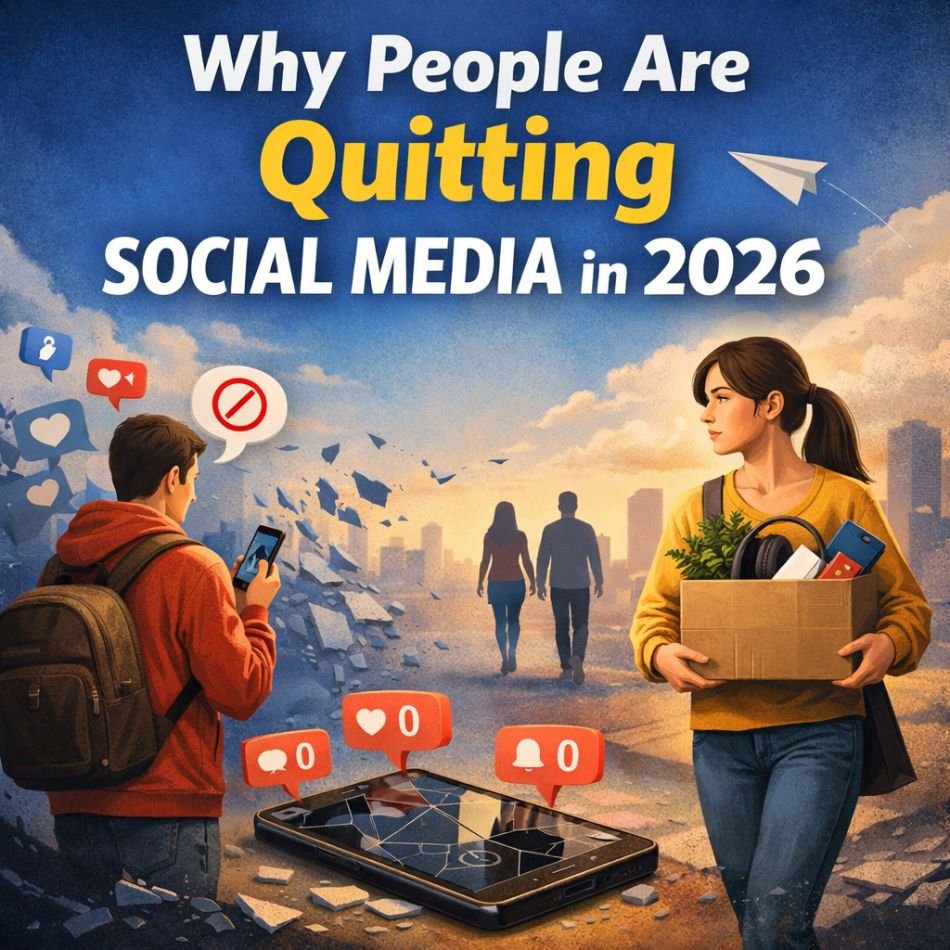
Social media has been a central part of our lives for over a decade, but in 2026, more and more people are choosing to quit. With platforms like Facebook, Instagram, and Twitter being major parts of our digital experience, why are people stepping away from these platforms? Is social media losing its appeal, or is something else driving this shift?
In this article, we’ll explore the reasons behind the rise of social media quitting in 2026, why people are turning to alternatives like Voozon.com, and how this change is reshaping the digital world.
Social media platforms were once seen as a revolutionary way to connect with friends, share moments, and engage with the world. At its peak, platforms like Facebook, Instagram, and Twitter were essential for everything from personal connections to business promotions and global movements. But in recent years, the excitement has waned, and people are beginning to turn away.
Back in the early 2000s, social media became an overnight sensation. People were excited to reconnect with old friends, discover new content, and participate in conversations around the world. Facebook, which started as a platform for university students, became a global sensation. Instagram, Snapchat, and Twitter followed, each offering something unique to users.
For many years, social media was a fun and exciting place. It gave people a voice and a platform for self-expression, business, and entertainment. But over time, something changed.
Over the last few years, social media has faced increasing criticism. What was once a place for fun and connection has transformed into a platform where many users feel disconnected, overwhelmed, or even anxious. This has led to a steady decline in user engagement, especially among younger generations.
Now, let’s take a closer look at the key reasons why people are stepping away from social media in 2026.
One of the biggest reasons people are quitting social media is privacy concerns. In recent years, there have been numerous scandals surrounding how social media platforms handle user data. High-profile cases, such as the Cambridge Analytica scandal, showed that platforms like Facebook were mishandling user information.
As people become more aware of how their data is being used, many are deciding that the risks outweigh the benefits. With social media platforms collecting vast amounts of personal information, including location, browsing habits, and even personal conversations, it’s no surprise that users are looking for alternatives where their data is more secure.
Social media has been linked to a variety of mental health issues, including anxiety, depression, and low self-esteem. Studies have shown that excessive use of social media can lead to feelings of loneliness, isolation, and inadequacy. For example, constantly comparing oneself to others on platforms like Instagram can result in body image issues or the fear of missing out (FOMO).
As more people become aware of these effects, many are making the decision to quit social media to improve their mental health. The constant stream of information and the pressure to present a perfect life can be overwhelming, leading individuals to seek a break from it all.
While traditional social media platforms are facing decline, new platforms like Voozon.com are gaining popularity. These alternatives offer a different approach to online engagement, focusing on privacy, user control, and meaningful interactions. People are leaving traditional social media in favor of platforms that don’t prioritize profit over user experience.
For instance, Voozon.com offers a space where users can interact without the overwhelming ads and algorithm-driven feeds that dominate major platforms. This shift is particularly attractive to people looking for more meaningful connections online.
Social media addiction is another growing issue. Many users spend hours scrolling through their feeds, watching videos, or engaging with content that ultimately adds little value to their lives. This addiction is fueled by the constant notifications and the endless stream of content that keeps users hooked.
As people become more aware of the impact this addiction is having on their lives, many are deciding to quit social media altogether. They are looking for ways to regain control over their time and focus on more productive or fulfilling activities.
The spread of fake news and misinformation is another major issue on social media. In the past, social media was seen as a way to stay informed, but with the rise of false information, it’s becoming harder to trust the content found on these platforms. The constant exposure to biased or misleading content is leaving many users feeling frustrated and disillusioned.
Some users are choosing to quit social media entirely to avoid being bombarded with misinformation. They’re seeking other sources of information that are more reliable and trustworthy.
Social media has become a battleground for political and social debates. Platforms like Twitter and Facebook have been criticized for amplifying divisions and creating echo chambers. Instead of fostering healthy discussions, many social media platforms have become places where people argue, attack, and insult each other over differing opinions.
For some users, this toxic environment has become unbearable. The constant negativity and polarization are driving people away from social media, and they are opting for quieter, more supportive spaces to engage online.
Another reason people are quitting social media is the commercialization of platforms. In recent years, social media has become increasingly focused on advertising, sponsored posts, and influencer marketing. Users are bombarded with ads and promotions, making it harder to enjoy the content they’re interested in.
As a result, many people are feeling exploited by the constant pressure to buy products or engage with promotional content. This has led to a growing number of users abandoning social media in search of a more authentic and ad-free experience.
While quitting social media may seem drastic, many users have found that stepping away from these platforms has improved their overall well-being. Here are some of the benefits of quitting social media:
Improved Mental Health: Many users report feeling less anxious, depressed, and overwhelmed after quitting social media. Without the constant comparison and pressure, they can focus on their own lives and well-being.
More Free Time: Quitting social media frees up time that was previously spent scrolling through feeds. People can use this time to focus on hobbies, personal development, or spending time with loved ones.
Better Relationships: Without the distractions of social media, many people find that their relationships with family and friends improve. They are more present and engaged in face-to-face interactions.
Less Misinformation: By quitting social media, users can avoid being exposed to false information and can rely on more trustworthy sources of news.
So, what does the future hold for social media in 2026 and beyond? While some platforms may continue to thrive, the shift towards privacy-focused and ad-free alternatives like Voozon.com is likely to grow. Social media is evolving, and users are demanding more control over their data and online experience.
For brands and marketers, this means a shift in how they engage with consumers. Social media may not be the go-to platform for marketing anymore, and businesses will need to adapt to new trends and user behaviors.
People are quitting social media due to privacy concerns, mental health issues, addiction, misinformation, and the commercialization of platforms. Many are turning to alternatives like Voozon.com for a more positive experience.
Yes, Voozon.com focuses on privacy, user control, and meaningful interactions, making it a good alternative for those seeking a break from the commercialized and ad-driven nature of traditional social media.
Quitting social media can reduce anxiety, depression, and feelings of inadequacy. It allows individuals to focus on their real-world relationships and personal growth without the pressure of online comparisons.
While social media will likely continue to exist, it may evolve into a different form, with users seeking platforms that prioritize privacy, meaningful interactions, and less commercialization.
The benefits include improved mental health, more free time, better relationships, and a reduced exposure to misinformation.