

When we think about a hospital, we often picture emergency rooms, operating tables, and recovery rooms. We see it as the place we go when something goes wrong with our bodies. While that is certainly a big part of the story, it is far from the whole picture.
A modern hospital is like a hub in the center of a wheel. It is connected to every part of the community it serves. One facility that truly understands this responsibility is Gadsden Regional Medical Center. It does not just wait for people to get sick and walk through its doors. Instead, it reaches out into the neighborhoods, schools, and workplaces to make sure people can stay healthy in the first place.
This article explores how this medical facility works behind the scenes and out in the open to improve the quality of life for everyone in the area. We will look at the practical steps they take, the partnerships they build, and why their role matters to you and your family.
A hospital cannot exist in a bubble. The health of the facility is directly tied to the health of the people who live around it. If the community is struggling with high rates of diabetes or heart disease, the hospital feels that strain. But more importantly, the people feel that strain in their daily lives.
Gadsden Regional Medical Center has taken significant steps to move from being just a treatment center to being a proactive community partner. This means they invest time and resources into understanding the specific health challenges of the local population.
For example, rural areas often face unique hurdles. People might live far from a doctor’s office. They might not have reliable transportation. Or they might simply not have the time to take off work for a checkup. Recognizing these barriers is the first step.
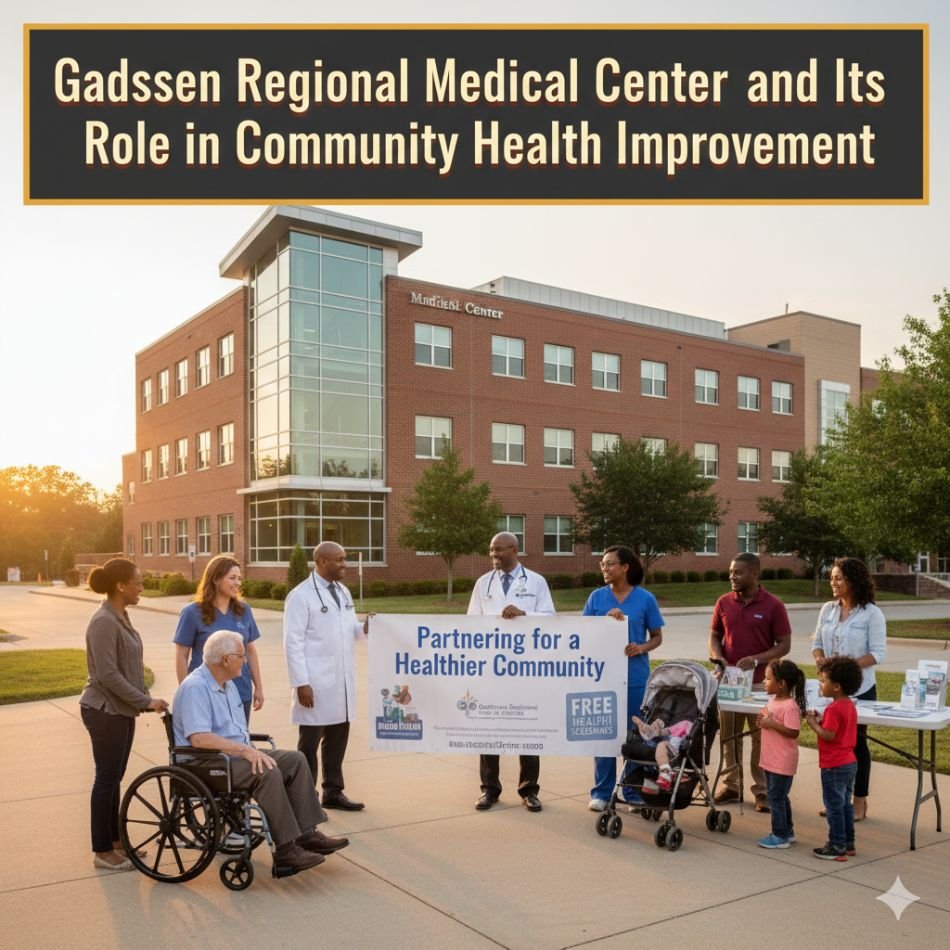
The medical center works to break these barriers down. They bring services closer to the people. They offer classes and screenings that fit into busy schedules. By doing this, they build trust. When a neighbor sees their local hospital setting up a booth at a community fair or offering a free blood pressure check at a local church, it sends a clear message: “We care about you, not just your insurance card.”
One of the biggest challenges in any community is access. You can have the best doctors in the world, but if people cannot get to them, or if they are afraid of the cost, it does no good.
Many people avoid going to the doctor because they are worried about a bill they cannot pay. Others are simply intimidated by the clinical environment. Gadsden Regional Medical Center addresses this by being visible in comfortable, familiar spaces.
They participate in local health fairs. They offer educational seminars at the public library. These events allow people to ask questions in a low-pressure setting. It introduces them to healthcare providers as real people. This makes it much easier for someone to schedule a follow-up appointment later. They already know the face of the organization.
In many smaller communities, getting to see a specialist can mean a long drive to a bigger city. That is time and money that many families simply do not have. The medical center works to bring a wide range of specialists under one roof. By offering diverse local healthcare services, they ensure that a mother doesn’t have to miss two days of work to take her child to a pediatric specialist. Grandparents can see a cardiologist close to home where they feel comfortable.
The old saying goes, “An ounce of prevention is worth a pound of cure.” Hospitals used to focus almost entirely on the “cure” part. Today, leading facilities know that keeping people healthy is the real goal.
You might be surprised to learn that a hospital offers cooking classes. But food is medicine. What we put on our plates directly impacts our blood pressure, cholesterol, and energy levels.
Gadsden Regional Medical Center often hosts programs that teach people how to cook healthy meals on a budget. They offer diabetes management classes where patients can learn to check their blood sugar and understand their medications. They host “Stop the Bleed” training or CPR certification for residents. These programs empower ordinary people with the skills to handle emergencies or manage chronic conditions.
High blood pressure and high cholesterol are often called “silent killers.” You can feel fine and still have numbers that are putting you at risk. Regular health screenings are vital to catch these issues early.
The medical center organizes community screening events. These are often low-cost or free. They check for things like high blood pressure, glucose levels, and cholesterol. Catching a problem early means it can often be managed with diet and exercise rather than strong medications or surgery later on.
Health is not just about the body. It is also about the mind. In recent years, the conversation around mental health has become more open and honest. Hospitals play a critical role in this area.
When someone is experiencing a mental health crisis, the emergency room is often the first place they go. Gadsden Regional Medical Center has a responsibility to treat those patients with the same dignity and urgency as someone having a heart attack. They provide a safe environment where people can get a psychiatric evaluation and be connected with the ongoing help they need.
The hospital’s role doesn’t end when a patient leaves the ER. They work to connect people with therapists, support groups, and counselors in the community. This “bridge” is essential. It ensures that someone who had a tough day gets the follow-up care required to get back on track.
A strong hospital also means a strong economy. When a facility like this thrives, the whole area benefits.
Hospitals are often one of the largest employers in a region. They need nurses, of course, but they also need lab technicians, cooks, security guards, cleaners, and administrative staff. These are good, stable jobs that allow people to buy homes and raise families in the local area.
When a company considers moving to a new town, they look at the local infrastructure. They check the schools. They check the roads. And they definitely check the quality of the hospital. A strong, well-regarded medical center makes the entire community more attractive to new businesses. It tells executives that their employees will have access to excellent care. This, in turn, brings more jobs and economic growth to the region.
To really understand the role of a hospital, it helps to look at the people it touches.
Consider a local senior citizen named Margaret. She lives alone and has trouble driving at night. She attended a free fall-prevention seminar hosted by the medical center at her local senior center. She learned how to make her home safer and did exercises to improve her balance. Because of that one class, she avoided a fall that could have put her in the hospital for months.
Or think about a young father named David. He went to a community health fair on a Saturday morning. He felt fine, but he stopped by a booth run by Gadsden Regional Medical Center to get a quick blood pressure check. The reading was alarmingly high. The nurse on site advised him to see a doctor immediately. He did. They found a blockage and treated it before it caused a major heart attack. David is now able to coach his son’s soccer team because a simple screening caught a problem in time.
These are not just numbers on a chart. They are real people whose lives were changed because their local hospital decided to step outside its walls.
The relationship between a community and its hospital is a two-way street. The medical center can offer programs, but the community has to show up. There are many ways you can get involved and take charge of your own health.
Attend a Workshop: Check the hospital’s website or social media page for a calendar of events. Look for classes on nutrition, stress management, or baby care.
Utilize the Online Tools: Most modern hospitals offer patient portals. These allow you to message your doctor, look at test results, and schedule appointments online. It makes managing your healthcare much easier.
Volunteer Your Time: Hospitals often need volunteers to greet visitors, man the information desk, or help with administrative tasks. It is a great way to give back and see the positive environment firsthand.
Give Feedback: If you have a good experience with a nurse or a doctor, say so. If you think there is a service missing in the community, let them know. Hospitals rely on patient feedback to improve their community health programs.
The world of healthcare changes fast. Technology advances. New diseases emerge. Populations age. Gadsden Regional Medical Center must constantly adapt to meet these new challenges.
We can expect to see more integration of technology, like video doctor visits, which make it even easier for people to get care without leaving their homes. We will likely see a continued focus on managing chronic diseases, as conditions like diabetes and heart disease remain the leading causes of death and disability.
The core mission, however, will likely stay the same: to be there for the community in times of need and to work tirelessly to prevent that need from arising in the first place.
A hospital is the heartbeat of a community. It pumps life, knowledge, and security through the region. Gadsden Regional Medical Center plays this vital role every single day. It is a place of healing for the sick, a source of knowledge for the worried, and a pillar of stability for the local economy.
By focusing on access, prevention, and genuine partnership, it proves that healthcare is about much more than treating illness. It is about nurturing a healthy, thriving community where everyone has the opportunity to live their best life. The next time you drive by, remember that it is not just a building. It is a team of your neighbors, working hard to keep you and your family safe and well.