


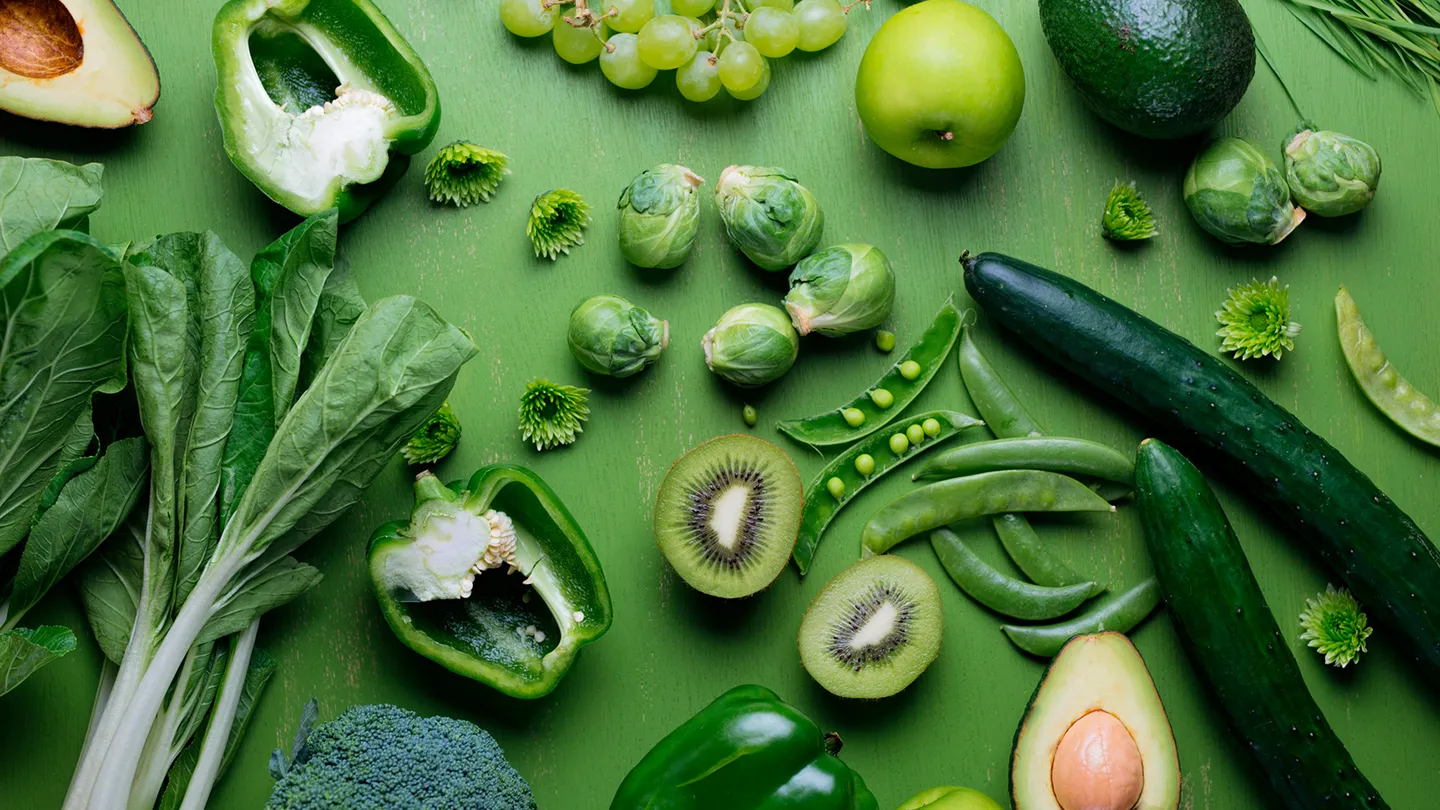
Brussels sprouts, cabbage, and bok choy are among the most powerful green vegetables you can include in your diet. These leafy greens are not only delicious but also packed with nutrients that protect the body, improve overall health, and provide disease-preventing compounds. Their unique combination of fiber, vitamins, and antioxidants makes them excellent choices for people of all ages. Regular consumption of these vegetables can enhance immunity, improve digestion, support bone health, and even lower the risk of cancer.

Brussels sprouts are small, cabbage-like vegetables that are part of the cruciferous vegetable family. They are known for their dense nutrient profile and cancer-fighting compounds called glucosinolates. These compounds support detoxification and help the body eliminate harmful toxins, reducing the risk of chronic diseases. Brussels sprouts are high in dietary fiber, which aids digestion, promotes healthy gut bacteria, and prevents constipation.
Vitamins present in Brussels sprouts include Vitamin C, which boosts immunity and promotes healthy skin, and Vitamin K, essential for bone strength and blood clotting. They also contain Vitamin A, supporting vision and cell growth, and folate, which is vital for DNA synthesis and overall cellular health. Potassium and manganese are additional minerals found in Brussels sprouts that contribute to heart health and metabolic functions. People love Brussels sprouts because when cooked correctly, they develop a slightly sweet, nutty flavor that pairs well with roasting, steaming, or sautéing.
Benefits of Brussels Sprouts:
Helps fight cancer due to glucosinolates and antioxidants
Improves digestion and supports gut health with high fiber
Strengthens immunity with Vitamin C
Maintains bone health with Vitamin K
Supports vision and cell regeneration with Vitamin A
Promotes heart health with potassium and manganese
Reduces inflammation and oxidative stress
Brussels sprouts are suitable for everyone, including children, women, and seniors. Cooking them softens the fibers, making them easier for kids to chew and digest while maintaining most of their nutrients. Women benefit from folate, calcium, and antioxidants that support bone strength, reproductive health, and immunity. For people over 60, Brussels sprouts help maintain heart function, prevent age-related inflammation, and support overall vitality. Regularly including them in meals ensures a nutritious addition that boosts overall health.
Cabbage is another versatile green vegetable with powerful health benefits. It comes in several varieties, including green, red, and savoy, each offering slightly different flavors and nutritional profiles. Cabbage contains antioxidants, fiber, and cancer-fighting compounds that help prevent chronic diseases and promote long-term wellness. Its high fiber content improves digestion, helps regulate blood sugar, and supports weight management.
The vitamins in cabbage include Vitamin C, which enhances immunity and reduces the risk of infections, and Vitamin K, which is vital for bone density and proper blood clotting. Cabbage also provides Vitamin A for eye health, folate for cellular growth, and small amounts of B vitamins, calcium, and potassium for overall metabolic and cardiovascular support. People enjoy cabbage because it can be eaten raw in salads, fermented as sauerkraut, or cooked in soups and stir-fries. Its mild flavor adapts well to many cooking styles, making it a favorite in households worldwide.
Benefits of Cabbage:
Protects against cancer with antioxidants and glucosinolates
Improves gut health and digestion with high fiber
Boosts immunity with Vitamin C
Strengthens bones with Vitamin K and calcium
Supports vision and cell growth with Vitamin A
Regulates blood pressure with potassium
Reduces inflammation and improves heart health
Cabbage is highly suitable for children, women, and seniors. Cooking cabbage makes it soft and easier to digest for kids while preserving its nutrients. Women benefit from its folate and calcium content, which help maintain bone strength and hormonal balance. For seniors, cabbage supports heart health, digestion, and immune function. Regular consumption of cabbage can improve overall vitality, making it an essential vegetable in a balanced diet.

Bok choy, also known as Chinese cabbage, is a leafy green vegetable highly valued for its delicate taste and nutrient density. It is rich in antioxidants, vitamins, and minerals that support overall health and reduce the risk of chronic illnesses. Bok choy contains glucosinolates, which provide cancer-preventive properties, and high fiber levels that improve digestive health and promote a healthy gut microbiome.
Bok choy is loaded with essential vitamins such as Vitamin C, which strengthens the immune system, and Vitamin K, which promotes strong bones and proper blood clotting. It also contains Vitamin A for eye health and folate for cellular development. Potassium, magnesium, and calcium are present in bok choy, supporting heart function, bone density, and muscle health. People love bok choy because it is versatile and quick to cook. It can be lightly steamed, sautéed, or added to soups and stir-fries. Its mild flavor and crisp texture make it appealing to both adults and children.
Benefits of Bok Choy:
Provides cancer-preventing compounds and antioxidants
Improves digestion and supports gut health with high fiber
Boosts immunity with Vitamin C
Maintains bone health with Vitamin K and calcium
Supports vision and cellular growth with Vitamin A
Enhances heart health with potassium and magnesium
Reduces inflammation and promotes overall vitality
Bok choy is suitable for children, women, and seniors. Cooking bok choy makes it easier for kids to digest while maintaining its nutrients. Women benefit from its calcium and folate content, supporting bone strength and reproductive health. Seniors can include bok choy in their diet to maintain heart function, improve digestion, and prevent age-related bone loss. Regular consumption of bok choy contributes to overall health and adds variety to a nutritious diet.
Why These Green Vegetables Are Essential for All Ages
Brussels sprouts, cabbage, and bok choy are not just vegetables; they are complete health foods that provide essential nutrients for growth, immunity, and disease prevention. For children, these vegetables offer the fiber, vitamins, and minerals needed for growth, development, and immunity. Cooking these vegetables softens their texture, making them easier to eat while keeping the nutrients intact. Women, especially, benefit from the high folate, calcium, and antioxidant content that supports hormonal balance, reproductive health, and bone strength. For seniors, regular consumption of these vegetables improves heart health, supports bone density, aids digestion, and reduces inflammation, contributing to a longer and healthier life.
People love these vegetables because they are easy to cook, highly versatile, and provide a variety of flavors depending on the cooking method. They can be roasted, steamed, sautéed, stir-fried, or added to soups and salads. Their subtle sweetness, crisp texture, and ability to absorb spices and sauces make them appealing to children and adults alike. Including Brussels sprouts, cabbage, and bok choy in your daily diet ensures that you receive fiber, antioxidants, vitamins, and minerals needed to maintain overall wellness.
Eating green foods is one of the simplest ways to improve overall health, boost immunity, and protect against chronic diseases. Many people think eating greens means only salads, but there are many tasty and powerful green foods available. Below are the top 15 green health foods you will actually enjoy eating, along with their key nutrients, benefits, and comparison with each other so you can choose what fits your lifestyle best.
Spinach
Brussels Sprouts
Cabbage
Zucchini
Green Peas
Avocado
Kiwi
Green Apples
Green Grapes
Edamame
Kale
Cucumber
For protein: Edamame and pistachios rank highest.
For fiber: Artichokes, pears, and green bananas lead.
For antioxidants: Microgreens, green tea, and watercress stand out.
For thyroid support: Seaweed is the best source due to iodine.
For weight management: Green squash, green tea, and pistachios are effective.
For stress relief: Tulsi tea is superior because of its calming adaptogens.
For immune boost: Kiwi, spinach, and green drinks provide strong Vitamin C levels.
Leafy Green Vegetables (Very Similar in Nutrients)
Spinach, Kale, Cabbage, and Bok Choy are quite similar. They are all leafy greens rich in Vitamin A, Vitamin C, Vitamin K, folate, iron, calcium, and antioxidants. They mainly support bone health, immunity, eye health, and detoxification. The difference is that spinach and kale are more nutrient-dense, while cabbage and bok choy are milder in taste and easier to digest.
Cruciferous Vegetables (Similar Cancer-Fighting Compounds)
Broccoli, Brussels Sprouts, Cabbage, and Kale belong to the cruciferous family. They contain special plant compounds called glucosinolates, which help in cancer prevention and liver detox support. Broccoli and Brussels sprouts usually have higher concentrations of these compounds compared to cabbage.
Green Fruits (Similar for Fiber and Antioxidants)
Kiwi, Green Apples, and Green Grapes are fruits. They are rich in Vitamin C, fiber, water content, and antioxidants. They support digestion, hydration, and heart health. Kiwi stands out because it contains more Vitamin C than most fruits. Green apples are better for blood sugar control due to higher fiber. Grapes are more hydrating.
Protein-Rich Greens (Different From Others)
Edamame is very different from most other green foods because it is high in plant protein. It contains protein, fiber, iron, folate, and isoflavones. Other green vegetables do not provide as much protein as edamame.
Healthy Fat Source (Unique Category)
Avocado is different from all others because it is rich in healthy fats instead of being low-fat like most vegetables. It contains monounsaturated fats, potassium, Vitamin E, and fiber. It supports heart health and skin health more than typical leafy greens.
Low-Calorie Hydrating Vegetables (Similar Group)
Cucumber, Zucchini, and Green Beans are lighter vegetables with high water content. They are lower in calories and milder in nutrients compared to spinach or broccoli. They mainly support hydration, digestion, and weight management.
Legume Category
Green Peas and Edamame are both legumes. They contain more protein and carbohydrates compared to leafy greens. Peas have moderate protein, while edamame has higher protein and more isoflavones.
Now let’s summarize clearly.
Similarities:
Spinach, Kale, Cabbage, Bok Choy are similar in vitamins and minerals.
Broccoli, Brussels Sprouts, Kale, Cabbage are similar in cancer-fighting compounds.
Kiwi, Green Apples, Green Grapes are similar as antioxidant-rich fruits.
Green Peas and Edamame are similar as protein-containing legumes.
Differences:
Avocado is unique because it is high in healthy fats.
Edamame has much higher protein than most greens.
Cruciferous vegetables contain special detox compounds not found in fruits.
Leafy greens are richer in Vitamin K compared to fruits.
Cucumbers and zucchini are lower in nutrients compared to spinach or broccoli but higher in water content.
In simple words, all these green foods are healthy, but they provide different strengths. Leafy greens are best for vitamins and bones, cruciferous vegetables are best for cancer prevention, fruits are best for antioxidants and hydration, legumes are best for protein, and avocado is best for healthy fats.
Tangy parsley sauce may look like a simple green dressing, but it can absolutely be considered a green health food when prepared with fresh and wholesome ingredients. Made primarily from fresh parsley, olive oil, garlic, and vinegar, this sauce delivers powerful plant nutrients, healthy fats, and natural antioxidants. It is not just a flavor enhancer; it can also support digestion, heart health, and immunity when used in balanced meals.
Parsley itself is a nutrient-dense green herb packed with Vitamin C, Vitamin K, and Vitamin A. Vitamin K plays a key role in bone strength and proper blood clotting. Vitamin C helps strengthen the immune system and supports healthy skin. Vitamin A contributes to eye health and cell protection. Parsley also contains folate, iron, potassium, and plant antioxidants that help reduce inflammation in the body. Because this sauce uses fresh parsley in generous amounts, it becomes more than just a garnish; it turns into a concentrated green nutrient booster.
Olive oil, another main ingredient in tangy parsley sauce, provides heart-healthy monounsaturated fats. These fats help reduce bad cholesterol levels and support cardiovascular health. Garlic adds natural antibacterial and immune-supporting properties. Dijon mustard and white wine vinegar give the sauce its tangy flavor while supporting digestion by stimulating natural digestive juices. When combined, these ingredients create a green sauce that is both flavorful and functional.
Why Tangy Parsley Sauce Is Considered a Green Health Food
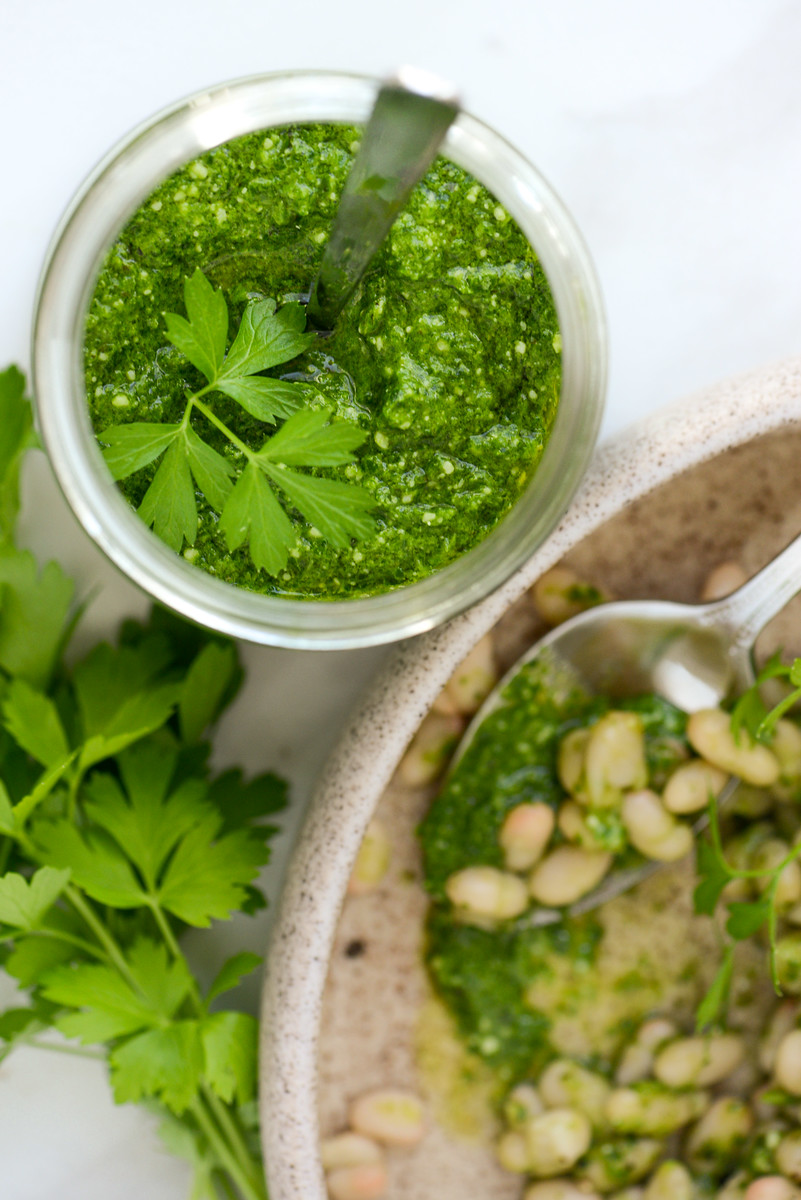
Tangy parsley sauce qualifies as a green health food for several reasons. First, it is plant-based and made from fresh herbs. Second, it contains anti-inflammatory compounds from parsley and olive oil. Third, it provides essential vitamins and minerals without artificial additives. Unlike heavy cream-based sauces, parsley sauce is light, fresh, and nutrient-rich.
Health Benefits of Tangy Parsley Sauce:
Rich in Vitamin K for strong bones
Provides Vitamin C for immune defense
Contains antioxidants that reduce inflammation
Supports heart health with olive oil
Aids digestion with garlic and vinegar
Low in processed ingredients
Naturally plant-based and suitable for many diets
How Tangy Parsley Sauce Improves Health
Adding tangy parsley sauce to meals can help increase overall vegetable intake. Many people struggle to eat enough greens daily, and this sauce makes it easier to include herbs in regular meals. It pairs well with beans, grilled vegetables, whole grains, chicken, fish, and salads. Because it is flavorful, it can reduce the need for high-sodium or processed condiments.
For people focused on weight management, this sauce can be a smart choice when used in moderation. It adds strong flavor, which helps prevent overeating. The healthy fats in olive oil promote satiety, meaning you feel full longer. The antioxidants in parsley may help protect cells from oxidative stress, supporting long-term wellness.
Is It Good for Children, Women, and Older Adults?
Tangy parsley sauce can be enjoyed by children, women, and older adults when prepared fresh and used in appropriate portions. For children, mixing the sauce into pasta, rice bowls, or beans can make meals more exciting and nutritious. It is a simple way to introduce fresh herbs into their diet. Women can benefit from the folate and iron in parsley, which support blood health and overall energy. For adults over 60, the Vitamin K and antioxidants help maintain bone density and reduce inflammation. However, individuals taking blood-thinning medications should consult a healthcare provider because parsley is high in Vitamin K.
How to Cook Tangy Parsley Sauce
This sauce requires no actual cooking, making it quick and easy to prepare. It is blended fresh and ready within minutes.
Ingredients:
1 cup fresh parsley leaves and tender stems
1 clove garlic
1 tablespoon Dijon mustard
¼ teaspoon salt
¼ cup white wine vinegar
½ cup extra virgin olive oil
Method:
Wash the parsley thoroughly and pat it dry. Add parsley, garlic, Dijon mustard, salt, and white wine vinegar into a small blender or food processor. Blend briefly until roughly combined. Slowly add olive oil while blending until the sauce becomes smooth and slightly creamy. Taste and adjust salt or vinegar if needed. The sauce should have a bright green color and tangy aroma. Store in a sealed glass jar in the refrigerator for up to three days.
Ways to Use Tangy Parsley Sauce
This green sauce is highly versatile and can be used in many healthy meals:
Toss with cannellini beans or chickpeas for a protein-rich salad
Mix into whole-grain pasta for a light herb dressing
Drizzle over grilled vegetables or roasted potatoes
Use as a topping for grilled fish or chicken
Spread on sandwiches instead of mayonnaise
Add to quinoa or brown rice bowls
Comparison With Other Green Sauces
Compared to heavy cream sauces, tangy parsley sauce is much lower in saturated fat and calories. Compared to store-bought dressings, it contains no artificial preservatives or added sugars. It is similar to chimichurri but has a smoother texture and milder flavor. Unlike pesto, it does not require cheese or nuts, making it lighter and often dairy-free.
Adding green vegetables like Brussels sprouts, cabbage, and bok choy to your daily meals is a simple step toward better health. They nourish the body with essential vitamins, minerals, and fiber while supporting immunity, heart strength, and digestion. Make green foods a regular habit for lifelong wellness and balanced nutrition.