


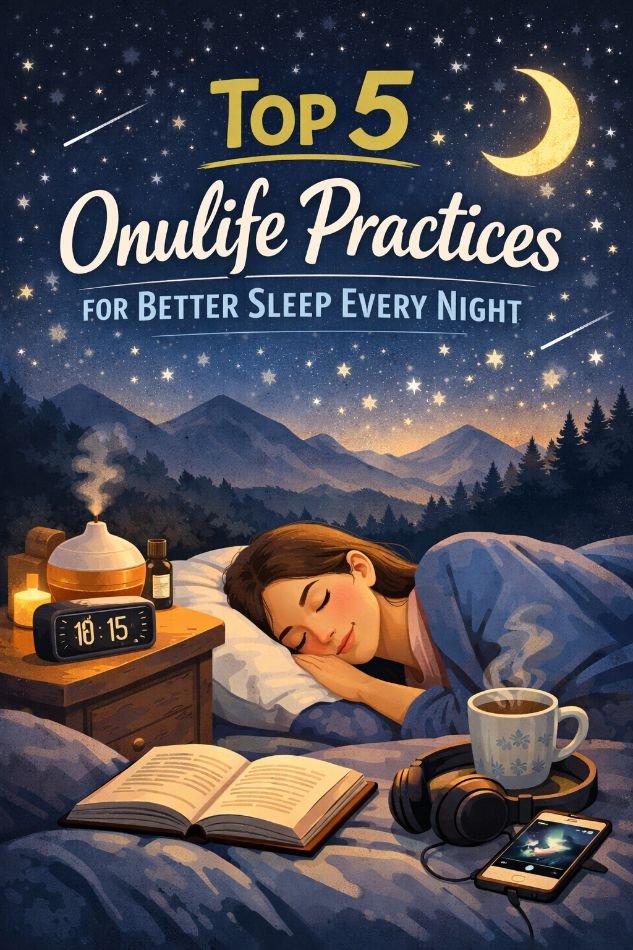
Sleep is one of those things we all want more of but often struggle to get. If you have trouble falling asleep or staying asleep through the night, you are not alone. Millions of adults deal with restless nights and groggy mornings. The good news is that small changes to your daily routine can make a big difference. That is where the idea of onulife comes in. It is about building simple, sustainable habits that support your overall wellness, starting with how you rest. In this article, we will look at five easy practices you can start using tonight to sleep better and wake up feeling ready for the day.
Before we get into the practices, let us talk about why sleep matters. When you sleep, your body goes to work. It repairs muscles, sorts through memories, and balances hormones. Good sleep helps you think clearly, handle stress, and keep your immune system strong. Poor sleep, on the other hand, can leave you feeling cranky, unfocused, and more likely to get sick.
The goal is not just to sleep more, but to sleep better. Sleep quality refers to how well you rest during the night. It means falling asleep within 30 minutes, staying asleep, and waking up feeling refreshed. If you wake up multiple times or toss and turn, your quality suffers. The five habits below focus on improving that quality, and they are all rooted in the onulife approach to daily living.
Your body loves patterns. When you do the same things at the same time each day, your internal clock learns what to expect. This is called your circadian rhythm, and it controls when you feel awake and when you feel sleepy.
A bedtime routine is a set of relaxing activities you do for 30 to 60 minutes before you get into bed. The goal is to tell your brain that it is time to wind down.
Think about things that help you relax. For some people, that means reading a book. For others, it might be gentle stretching or listening to calm music. You could also try writing in a journal. If you have a lot on your mind, write down your thoughts or make a to-do list for the next day. This clears your head and stops you from worrying in bed.
Try to keep your routine the same every night, even on weekends. Staying up late on Friday and sleeping in on Saturday can throw off your rhythm. It is like giving your body jet lag without leaving home. A steady routine is a core part of onulife because it builds structure into your day in a way that feels natural and helpful.
One thing to avoid during your routine is screen time. Phones, tablets, and computers give off blue light. Blue light tricks your brain into thinking it is still daytime. This lowers your levels of melatonin, the hormone that helps you sleep. Try putting your devices away at least 30 minutes before bed. If you use your phone as an alarm, set it and leave it face down across the room.
Your environment plays a huge role in how well you sleep. If your room is too bright, too loud, or too warm, your body will struggle to settle down. Turning your bedroom into a quiet, comfortable space is one of the best natural sleep remedies available.
Start with your bed. Is your mattress supportive? Are your pillows the right firmness? Sheets and blankets should feel good against your skin. If you wake up sweaty or cold, consider changing your bedding materials. Cotton and bamboo are breathable and help regulate temperature.
Darkness tells your brain it is time to produce melatonin. Use blackout curtains or a sleep mask to keep light out. If you live in a noisy area, try a white noise machine or a fan. The steady sound can drown out sudden noises like cars or neighbors. Earplugs are another simple fix if noise is a problem.
Most people sleep best in a slightly cool room. The ideal temperature is usually between 60 and 67 degrees Fahrenheit. If your room feels stuffy, open a window for a few minutes before bed or use a fan to keep air moving.
When your bedroom feels like a place made for rest, it becomes easier to relax. This idea of shaping your space to support your goals is a key part of the onulife mindset.
What you put into your body in the evening can help or hurt your sleep. A heavy meal right before bed can cause discomfort and indigestion. Caffeine and alcohol also have big effects on your rest.
Caffeine is a stimulant. It blocks chemicals in your brain that make you feel tired. Many people know that coffee has caffeine, but it is also in tea, soda, and even chocolate. Caffeine can stay in your system for hours. A good rule is to stop drinking caffeine by the early afternoon. If you are sensitive, you might need to stop even earlier.
Alcohol might make you feel sleepy at first, but it actually hurts your sleep quality later in the night. It can cause you to wake up more often and prevent deep sleep. If you drink, try to have your last drink at least a few hours before bed.
Going to bed very hungry can also keep you awake. If you need a snack, choose something light. A small banana, a handful of almonds, or a warm glass of milk are good options. These foods have nutrients that may help your body produce sleep hormones.
Paying attention to how food and drink affect your rest is a simple way to boost your sleep quality without any special equipment or expense.
This one might sound strange. How does sunlight in the morning help you sleep at night? The answer goes back to your internal clock. Light exposure in the morning helps set your body’s timer for the whole day.
When bright light hits your eyes in the morning, it sends a signal to your brain that the day has started. This stops melatonin production and wakes you up. It also helps build up pressure for sleep later. About 14 to 16 hours after you see that morning light, your body will start to feel tired again.
Try to get outside for 10 to 20 minutes soon after you wake up. You do not need to stare at the sun. Just being outside in natural light is enough. If you wake up before sunrise or the weather is bad, a light therapy box can help. This practice is a great example of how onulife connects small daytime actions to big nighttime results.
Exercise also helps with sleep. Physical activity raises your body temperature, and when it drops back down later, that drop can help you feel sleepy. Try to get your exercise earlier in the day. Working out too close to bedtime can leave you feeling too energized to fall asleep. Even a brisk walk in the morning sun checks both boxes at once.
Stress and worry are some of the biggest enemies of good sleep. When your mind is racing, it is hard to drift off. Learning how to manage stress during the day can make a big difference at night. This is where natural sleep remedies like mindfulness and relaxation techniques come in.
Deep breathing is simple and effective. It calms your nervous system and lowers your heart rate. One easy method is called the 4-7-8 breath. Breathe in through your nose for four seconds. Hold your breath for seven seconds. Then breathe out slowly through your mouth for eight seconds. Repeat this a few times while you are in bed.
Another helpful habit is to think about good things from your day. When your head hits the pillow, your mind might want to focus on problems or worries. Gently guide it toward positive things instead. You can think of one or two things you are grateful for. This small shift can change your mood and make it easier to relax.
Sometimes, despite your best efforts, sleep will not come. If you are lying in bed for more than 20 minutes and feel wide awake, get up. Go to another room and do something calm in low light until you feel sleepy again. Stay off your phone. Read a book or listen to quiet music. Lying in bed while feeling frustrated can train your brain to associate your bed with stress instead of sleep.
Managing stress is an ongoing practice, but it is one of the most powerful tools for better rest. It fits perfectly with the onulife idea of building habits that support your whole self.
You do not need to change everything at once. Pick one or two of these practices and try them for a few days. Maybe you start with a consistent bedtime routine and cutting out late caffeine. Once those feel normal, add another. Small steps add up over time.
Better sleep does not come from a magic pill or a special gadget. It comes from the small choices you make every day. The onulife approach is about finding what works for you and making it a regular part of your life. When you sleep well, you feel better, think more clearly, and have more energy for the things you love.
Start tonight. Put the phone down, dim the lights, and give one of these practices a try. Your body and mind will thank you in the morning.
1. How long does it take to see results from these sleep practices?
Most people notice a difference within a few days to a week. Your body needs time to adjust to new routines, so be patient. Consistency is more important than perfection.
2. Can I use melatonin pills to help me sleep?
Melatonin supplements can help some people in the short term, but they are not a long-term fix. It is better to focus on habits that help your body make its own melatonin. If you think you need supplements, talk to your doctor first.
3. What if I work night shifts and sleep during the day?
The same ideas apply, but you have to adjust them. Use blackout curtains to make your room dark during the day. Try to keep your sleep schedule as consistent as possible, even on your days off.
4. Is it bad to nap during the day?
Naps can be helpful, but they can also interfere with nighttime sleep. If you nap, keep it short, around 20 minutes, and try to nap earlier in the afternoon.
5. How do I know if I have a sleep disorder?
If you have tried these tips for a few weeks and still struggle with sleep, you might have a sleep disorder. Signs include loud snoring, long pauses in breathing during sleep, or feeling exhausted even after a full night in bed. A doctor can help you figure out what is going on.